The Digital Handshake: Using Downloaded Content Responsibly
A practical ethics guide for Pinterest downloads — personal reference, credit, commercial boundaries, and why private content stays off-limits.
 PintDownload Team
 Ethics 6 min read 532 words
In this article
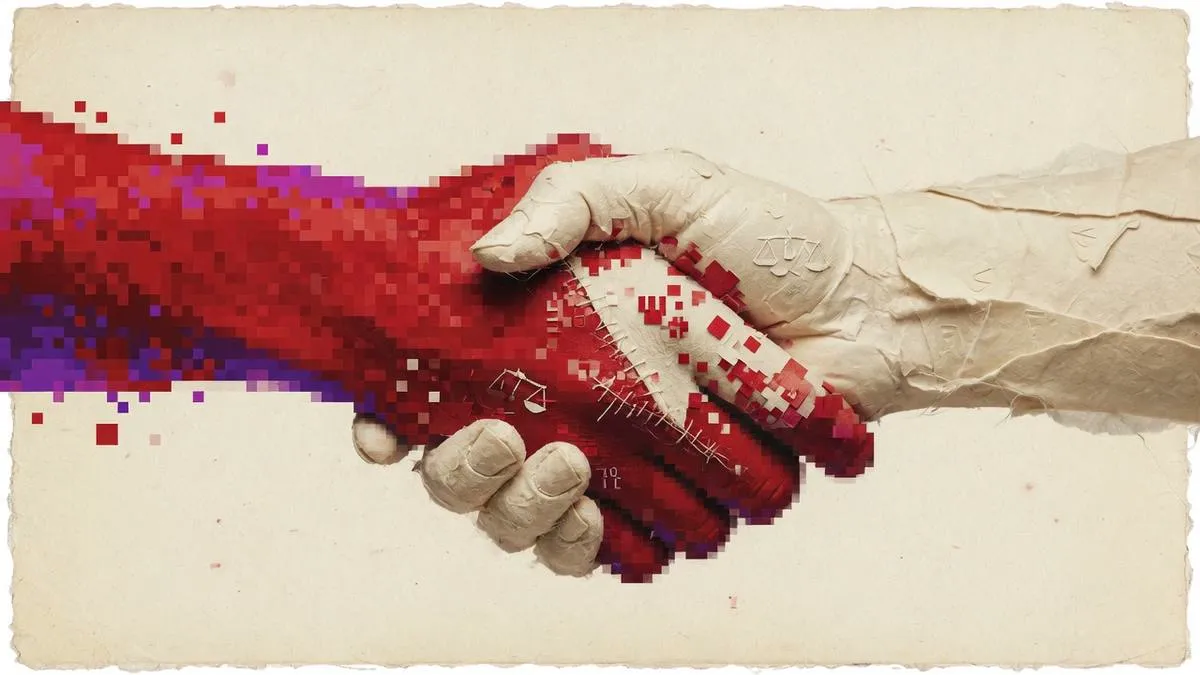
Tools like PintDownload make public media easier to save. That convenience comes with a digital handshake: respect creators, respect licenses, and do not pretend ownership of others’ work. Offline access should not become silent theft of livelihood.
This article is not legal advice for every jurisdiction. It is a practical code of conduct for people who want to stay on the right side of creative communities while still learning offline.
Good uses
- Personal offline study and skill practice
- Travel and job-site reference when connectivity is poor
- Moodboards you do not republish as your own portfolio pieces
- Crediting creators when you share inspiration publicly
- Classroom discussion with proper attribution norms
Avoid
- Reuploading without permission or license
- Commercial use of assets you do not own or license
- Removing watermarks or stripping creator marks to hide origin
- Bypassing private/secret content (we do not support that)
- Selling ZIP packs of someone else’s pins
A simple decision test
Ask: “If the creator watched me do this, would it feel fair?” Personal learning usually passes. White-labeling their tutorial as your product usually fails.
Commercial projects
For client work, prefer assets you created, stock licenses, or explicit creator permission. Inspiration is fine; reproduction is not a substitute for a license.
How PintDownload fits
Practical tools remain the Pinterest Pin Downloader, Pinterest Video Downloader, Pinterest Board Downloader, and Pinterest Profile Downloader for public media only. We optimize for legitimate offline convenience — not for cracking private content.
Related reading: offline without account · pre-download checklist.
Credit patterns that work
- Link the original pin or creator profile when you share inspiration publicly
- Name the creator in slide footnotes for internal decks
- Ask permission before using someone’s tutorial footage in ads
Gray areas
Memes, short commentary, education, and transformative works sit in complicated legal territory that depends on jurisdiction. When money, brand reputation, or large audiences are involved, get advice or a license instead of guessing from a blog post.
Platform health
Creators share because discovery can turn into opportunity. If offline saving never leads to follows, commissions, or credit, the ecosystem thins. Be the kind of user who still sends traffic and kind words back.
Internal company moodboards
Internal inspiration decks are common. Still: mark slides “inspiration only,” keep source links, and do not treat downloaded pins as production-ready brand assets. When a concept ships, replace references with licensed or original photography.
Educators
Classroom use often has more leeway, but distribution of full media packs to students can cross lines. Prefer assigning public pin links and teaching students to download for personal study with attribution habits built in.
Try it on PintDownload
Paste a public Pinterest link and download free — no account required.
Download Public Pins Only · Board ZIP · Profile ZIP · More guides
Frequently asked questions
Is downloading always copyright infringement?
Laws vary; intent and use matter. Personal reference is different from republication. When unsure, get permission or use licensed sources.
Can I use a pin in my YouTube video?
Often you need a license or transformative fair-use analysis. Default to permission or original footage.
Related tools: Pinterest Pin Downloader · Pinterest Video Downloader · Pinterest Board Downloader · Pinterest Profile Downloader
Keep reading
-
 Guide 8 min readHow to Download a Pinterest Profile Picture (HD PFP / DP)PintDownload Team
 - Guide 9 min readBest Pinterest Downloader in 2026: Reddit Community Recommendations & TestsPintDownload Team
- Boards & Profiles 8 min readHow to Download an Entire Pinterest Board as ZIP in 2026 (Free & Fast)PintDownload Team
-
 Workflow 15 min readThe Pinterest Shadowban & Account Takedown Survival Manual: How to Backup & Protect Your Content LegacyPintDownload Team